
Nursing Home Odor Control: 7 Strategies for Keeping Your Nursing Home Smelling Clean and Inviting
AI Summary
Nursing home odor control works best when facilities remove the source of the smell instead of masking it. The main causes are urine and incontinence, poorly managed waste, weak ventilation, laundry and the natural age-related body odor known as nonenal. Daily cleaning with enzyme-based products, sealed waste and diaper disposal, regular HVAC maintenance, neutralizers (not just fragrance) and staff training keep a facility fresh. Buying these supplies through a healthcare GPO lowers what facilities pay for the same products.
Key Highlights
- Most nursing home smell comes from urine, incontinence waste, soiled laundry and poor air circulation, not from a lack of air freshener.
- Enzyme cleaners break down urine at the source, which is why they outperform sprays that only cover the smell.
- Nonenal, a compound linked to aging skin, adds a faint “older person” scent that regular soap does not fully remove.
- A simple daily, weekly and monthly odor checklist keeps results consistent across shifts.
- Housekeeping chemicals, liners and odor neutralizers are recurring costs that can be reduced through GPO contract pricing.
Creating a fresh and inviting environment is important in healthcare settings, particularly nursing homes, where patient comfort takes priority. As we progress towards recovery, we must stress the importance of keeping the surroundings smelling fresh.
Patients deserve a healing environment free from unpleasant smells that can disrupt their peace and well-being. In this blog, we will explore seven proven strategies for combating odors in nursing homes, helping to create a clean, inviting atmosphere where patients can feel comfortable and supported on their journey to recovery. Explore with us as we delve into practical solutions prioritizing the health and well-being of those in our care.
The Impact of Cleanliness: Creating a Welcoming Environment in Nursing Homes
Do all nursing homes smell like urine? No. A persistent urine smell is a sign that incontinence care, cleaning products or laundry routines are not working, not a normal part of long-term care. Well-run facilities that clean with enzyme-based products, change and dispose of briefs promptly, and keep air moving can stay virtually odor-free.
Upon entering a nursing care facility, one may immediately notice a distinct aroma. Each nursing home has its unique scent, which lingers throughout its indoor spaces. Various odors, such as urine, blood, feces, and vomit, may be present in these environments, creating an overwhelming atmosphere in enclosed areas with a high concentration of bodily fluids and shared living quarters.
Cleanliness is crucial in shaping the perception of a nursing care facility. As patient experience increasingly impacts reimbursement for healthcare organizations, attention to detail becomes vital, from the check-in process to the cleanliness of every area. While nursing care facilities prioritize keeping restrooms clean, one aspect that often goes overlooked is odor control. That’s why it’s more important than ever for healthcare facilities to focus on managing odors. This ensures that patients feel comfortable during their recovery journey.
What Causes the Nursing Home Smell?
Why do nursing homes smell the same? Most facilities share the same odor sources: urine and incontinence waste, a high volume of soiled linen, shared bathrooms, institutional cleaning chemicals and the natural body odor that changes with age. When several of these overlap in closed indoor spaces, they create the familiar “nursing home smell.”
Before choosing products, it helps to know where the smell actually comes from. In most facilities, nursing home odor has five main sources:
- Urine and incontinence: Urine breaks down into ammonia and leaves uric acid crystals in floors, mattresses and fabrics. These crystals keep releasing odor long after a surface looks clean.
- Waste and used briefs: Open or overfilled bins, especially those holding used briefs and pads, are one of the strongest odor sources in resident rooms and soiled utility rooms.
- Laundry and linen: Bedding, gowns and clothing that are stored damp or washed at the wrong temperature carry odor back into resident rooms.
- Poor ventilation: Without enough fresh-air exchange, odors build up in corridors, bathrooms and memory care wings.
- Nonenal: As people age, the skin produces more 2-nonenal, a compound linked to the grassy, greasy scent often called “old person smell.” A 2001 study by researchers in Japan found 2-nonenal mainly in people over 40. It clings to fabric and is not fully removed by regular soap.
Knowing the source tells you which strategy to use first. For a closer look at why these odors build up, see our guide on why nursing homes smell weird.
7 Techniques for Maintaining Pleasant Odors in Nursing Homes
How do nursing homes get rid of urine smell? They clean affected floors, mattresses and fabrics with enzyme-based cleaners that break down uric acid, change and seal used briefs right away, launder soiled linen promptly at the correct temperature, and use odor neutralizers rather than fragrance alone. Consistent staff routines across every shift matter as much as the products.
One aspect of achieving this is maintaining pleasant odors throughout the facility. By implementing effective odor control techniques, nursing homes can enhance the overall experience for residents, staff, and visitors. Let’s explore seven techniques for maintaining pleasant odors in nursing homes, ensuring a welcoming and inviting atmosphere for everyone.
1 Regular Cleaning and Disinfection Protocols
Maintaining cleanliness in nursing homes is crucial for creating a pleasant environment that benefits both residents and staff. This entails following strict cleaning and disinfection protocols, including daily cleaning routines for common areas and resident rooms. By thoroughly cleaning surfaces, furniture, and fixtures, staff can effectively remove dirt, dust, and debris contributing to unpleasant odors. Moreover, disinfectants play a vital role in eliminating odor-causing bacteria, thus ensuring a hygienic environment that promotes the well-being of everyone within the facility.
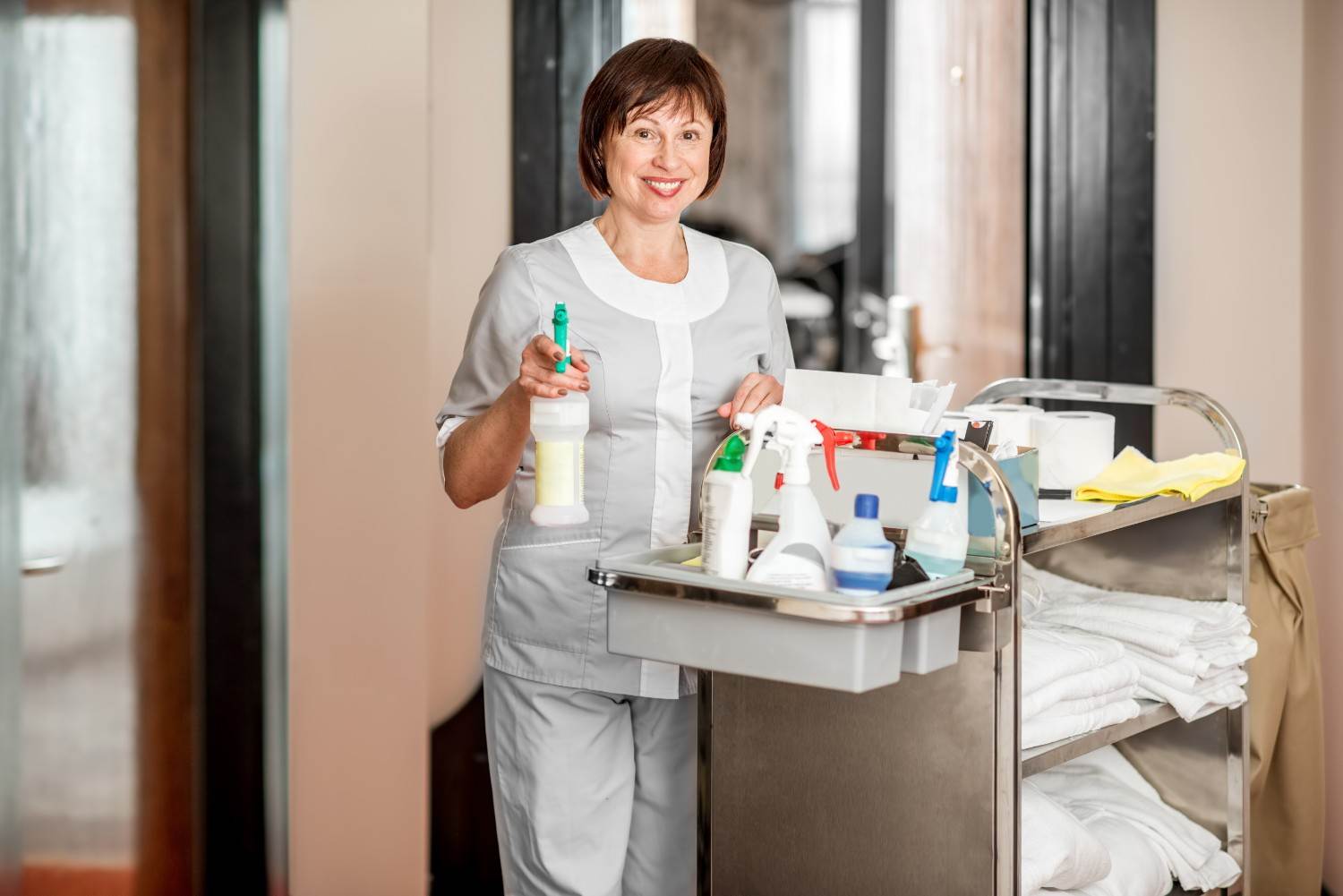
Use an enzyme cleaner for urine. Standard disinfectants kill bacteria but do not remove uric acid crystals, which is why urine smell often returns a few hours after cleaning. An enzyme cleaner for urine odor breaks those crystals down. Apply it to mattresses, chair cushions, grout and floor seams, and let it sit for the full dwell time on the label before wiping. Stock cleaning chemicals, enzyme products and disinfectants from one approved list of housekeeping supplies so every shift uses the same products.
2 Proper Waste Management Practices
Effective waste management practices involve segregating and disposing garbage and organic waste in designated areas. This helps prevent the spread of odors and reduces the risk of contamination. Regular emptying of trash bins and thorough sanitization of waste areas further contribute to odor control by removing potential sources of unpleasant smells. By implementing these practices, nursing homes can ensure a hygienic and odor-free environment for residents, staff, and visitors.
Pay special attention to used briefs and pads. Lidded, foot-operated bins or dedicated adult diaper disposal pails with sealed liners keep odor contained in resident rooms, and soiled utility rooms should be emptied on a fixed schedule rather than when bins are full. A well-planned healthcare waste management program also helps control hauling costs.
3 Ventilation System Maintenance
The ventilation system is essential in nursing homes to ensure proper air circulation and reduce the accumulation of odors. This involves regularly inspecting and cleaning air ducts and vents to remove dust, dirt, and other contaminants contributing to unpleasant smells. Additionally, installing air purifiers or deodorizers helps to continuously freshen the air by removing airborne particles and neutralizing odors.
Replace HVAC filters on the manufacturer’s schedule, check that bathroom and utility-room exhaust fans actually pull air, and consider air purifiers with activated carbon filters in memory care wings and other enclosed areas, where odors tend to linger longest.
4 Use of Odor Neutralizers and Absorbers
Utilizing odor neutralizers and absorbers is a critical strategy in nursing homes to combat unpleasant smells and maintain a pleasant environment. This involves strategically placing odor-absorbing products in common areas to absorb and neutralize odors effectively. Also, scented sprays or plugins help introduce pleasant fragrances, mask any remaining odors, and create a more inviting atmosphere. By incorporating these techniques, nursing homes can ensure a fresh and comforting environment that enhances the overall experience for everyone in the facility.
5 Addressing Potential Mold and Mildew Issues
Addressing potential mold and mildew issues is necessary in nursing homes to prevent the development of unpleasant odors and maintain a healthy environment. This involves regularly inspecting moisture-prone areas such as bathrooms and kitchens to identify any signs of mold or mildew growth. Prompt remediation using proper cleaning products is necessary to effectively remove mold and mildew and prevent recurrence.
6 Incorporating Natural Fragrances
Natural fragrances are valuable in nursing homes to enhance air quality and create a more pleasant atmosphere. This involves introducing indoor plants known for their air-purifying properties, such as peace lilies or spider plants, which help to cleanse the air and reduce odors naturally. Further, utilizing essential oil diffusers provides aromatherapy benefits by dispersing fragrant oils throughout the environment, promoting relaxation and well-being among residents and staff.
Keep scents light and check with clinical staff first, because strong fragrances can bother residents with respiratory conditions or sensory sensitivities.
7 Staff Education and Training
Ensuring staff education and training is integral to maintaining high cleanliness and odor control standards in nursing homes. This involves providing all staff with comprehensive training on cleaning and odor control techniques. By equipping staff with the necessary knowledge and skills, they can effectively carry out their responsibilities and contribute to a hygienic environment. Additionally, encouraging staff to report any odor concerns promptly ensures that issues are addressed promptly, preventing them from escalating and impacting the comfort of residents and staff.
Is odor control quietly inflating your housekeeping budget?
Send us one supply invoice. We’ll compare what you pay for cleaning chemicals, enzyme cleaners and liners against GPO contract pricing, at no cost.
Air Fresheners vs. Odor Eliminators: What Works Best in Nursing Homes?
What is the best odor eliminator for a nursing home? The best choice is a product that neutralizes or breaks down odor molecules, such as an enzyme cleaner for urine or a neutralizer designed for healthcare use, rather than an air freshener that only adds fragrance. Use neutralizers on the source first, then add light scenting in common areas if needed.
Many facilities search for the best air freshener for nursing homes, but fragrance alone usually makes the problem worse: residents and visitors notice a floral scent layered over urine. Use each product for the job it does best:
| Product Type | What It Does | Best Use in a Nursing Home |
|---|---|---|
| Enzyme Cleaner | Breaks down urine, feces and organic residue at the source | Mattresses, upholstery, floors, grout and bathroom corners |
| Odor Neutralizer | Chemically binds or neutralizes odor molecules | Resident rooms, soiled utility rooms and laundry areas |
| Absorber (Activated Carbon, Gel) | Traps odor passively over time | Closets, small rooms and areas near waste bins |
| Air Purifier (Carbon Filter) | Filters airborne particles and odors continuously | Memory care wings, lounges and enclosed corridors |
| Air Freshener / Scenting | Adds fragrance; does not remove odor | Lobbies and common areas, only after the source is treated |
For laundry, an enzyme or oxygen-based laundry additive helps remove both urine odor and nonenal from clothing and bedding, which is the most common answer to how to get the nursing home smell out of clothes.
How to Make a Nursing Home Room Smell Better: A Daily Odor Control Checklist
How do you control odors in an LTC facility? Treat odor as part of daily operations, not a one-time fix: assign clear tasks by shift, use the same approved products in every unit, track problem rooms, and review results each week. Consistency across shifts is what keeps a long-term care facility fresh.
Use this checklist to keep odor control consistent across every shift and unit:
| Frequency | Odor Control Tasks |
|---|---|
| Every Shift | Change and seal used briefs promptly, empty resident-room waste bins, and spot-clean spills with an enzyme cleaner |
| Daily | Clean and disinfect bathrooms and high-touch surfaces, move soiled linen to laundry, and empty soiled utility rooms on schedule |
| Weekly | Deep-clean mattresses, chair cushions and floor seams, check bathroom exhaust fans, and log any rooms with lingering odor |
| Monthly | Replace or check HVAC filters, inspect moisture-prone areas for mold or mildew, and review product usage and spend |
Personal hygiene matters too. Bathing schedules are set in each resident’s care plan, and daily incontinence and perineal care between full baths is one of the most effective ways to prevent odor
How Much Does Odor Control Cost a Nursing Home, and How Can You Lower It?
How can nursing homes reduce odor control costs? Standardize on a short list of effective products, stop buying fragrance products that only mask smells, and purchase cleaning chemicals, liners and incontinence supplies through a group purchasing organization (GPO) so you pay contracted prices instead of retail.
Odor control is not a single purchase. It is a recurring line in the housekeeping budget: cleaning chemicals, enzyme products, neutralizers, can liners, waste hauling, laundry chemicals and nursing home supplies such as briefs and underpads. Because these items are bought every month, small price differences add up quickly.
Three steps usually bring the biggest savings:
- Standardize products: Agree on one approved list per category so every unit buys the same proven items.
- Buy on contract: A healthcare GPO gives facilities access to pre-negotiated pricing on housekeeping, waste and incontinence supplies.
- Review spend regularly: Compare invoices against contract pricing every quarter to catch price creep and off-contract purchases. Prime Source’s healthcare expense management team does this for facilities.
Paying retail for cleaning, waste and incontinence supplies?
Talk to a Prime Source procurement expert about GPO pricing for your facility.
Prime Source: Partnering for Clean and Inviting Nursing Home Environments
At Prime Source, a leading expense management company, we are dedicated to supporting you in the continuous effort to uphold clean and welcoming nursing home environments. Our commitment to odor control goes beyond masking unpleasant scents; it involves an excellent approach focused on improving residents’ overall well-being and comfort. Through proactive maintenance practices, incorporating innovative technologies, and promoting a collective adherence to cleanliness, we empower senior care facilities to cultivate a fresh and inviting atmosphere that positively impacts the lives of residents.
Through our tailored solutions and personalized support, we aspire to create an environment where residents feel valued, respected, and at ease. We understand that a pleasant living environment contributes significantly to residents’ quality of life, and we are dedicated to ensuring that every individual feels comfortable and content in their surroundings.
As we continue on this journey together, let us reaffirm our commitment to creating spaces where residents can thrive. Contact Prime Source today to discover how we can collaborate to achieve a renewed and inviting atmosphere that enhances the quality of life for all residents.
Frequently Asked Questions
Q1: How Does Prime Source Assist Nursing Homes in Odor Control?
A1: Prime Source aids nursing homes by offering practical solutions, including specialized products and expert advice customized to their needs.
Q2: What Are Effective Strategies for Combatting Odors in Nursing Home Environments?
A2: Effective strategies include regular cleaning routines, proper waste management, ventilation system maintenance, use of odor neutralizers, and staff education on odor control methods.
Q3: How Can Nursing Homes Improve Air Quality During the Summer Months?
A3: Nursing homes can improve air quality during summer by maintaining HVAC systems, using air purifiers, promoting proper ventilation, and reducing indoor humidity levels.
Q4: What Role Does Proper Ventilation Play in Odor Control?
A4: Proper ventilation circulates fresh air, removes odors, and improves indoor air quality by diluting and dispersing odor-causing particles.
Q5: How Does Prime Source Support Nursing Homes in Waste Management Practices?
A5: Prime Source supports nursing homes with waste management through waste disposal solutions, staff training on proper disposal techniques, and the provision of environmentally friendly products for waste treatment.
Q6: What do nursing homes use to get rid of urine smell?
A6: Most facilities use enzyme-based cleaners on floors, mattresses and fabrics, healthcare-grade odor neutralizers in rooms and utility areas, sealed disposal for used briefs, and enzyme or oxygen-based laundry additives for linen.
Q7: What is nonenal odor?
A7: Nonenal (2-nonenal) is a compound produced as skin ages that creates a faint grassy or greasy scent. It clings to fabric, so frequent laundering of clothing and bedding with an effective detergent helps control it.
Q8: Are air fresheners safe to use in nursing homes?
A8: Light scenting in common areas is generally fine, but strong fragrances can irritate residents with respiratory conditions. Treat the odor source first and keep fragrance to a minimum.
Want a fresher facility at a lower supply cost?
See how much your facility could save on housekeeping and odor control supplies.

Michael is an accomplished leader with deep expertise in the healthcare sector. As the CEO of Prime Source, he has driven innovation and strategic growth in healthcare procurement and management. His extensive knowledge of the industry has made him a sought-after speaker, regularly lecturing at trade groups, seminars, and to industry executives on the most pressing healthcare trends and challenges. Michael is passionate about exploring the intersection of business and healthcare, providing thought leadership that shapes the future of the field.